Complete Wildlife Management: Protecting Your Property the Natural Way
Thorough pest wildlife management provides a well-rounded method for handling common intruders on residential properties. By utilizing gentle and environmentally conscious approaches, property owners can effectively discourage animals while protecting local ecosystems. Gaining insight into the habits of these creatures is crucial for executing effective strategies. As homeowners seek answers, questions arise about the most reliable approaches and the necessity for living in harmony. What effective actions can be adopted to secure protection without endangering animals?
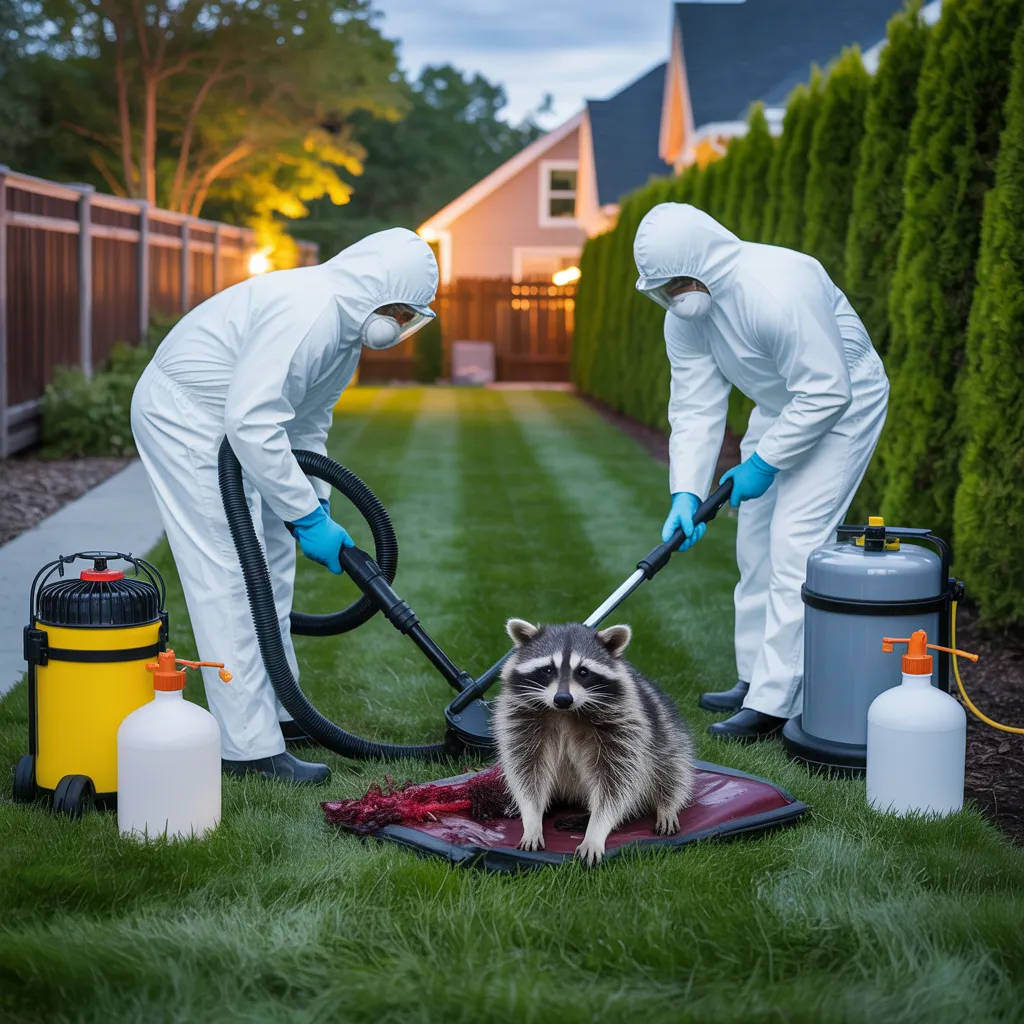
Typical Wildlife Invaders and Their Habits
When property owners face wildlife intrusions, recognizing their habits is essential for successful management. Frequent wildlife nuisances encompass raccoons, squirrels, skunks, and deer, each exhibiting distinct behaviors that can impact residential areas. Raccoons operate at night and frequently search for food in trash bins, demonstrating an agility that enables them to access bins. Squirrels, celebrated for their quickness, are capable of gaining entry to attics and roof spaces, driven by the pursuit of shelter or sustenance. Skunks, despite being largely peaceful, may create disturbances when burrowing through yards for insects or grubs. Deer, drawn to gardens and landscaping, may cause significant damage as they feed on foliage. By recognizing these behaviors, homeowners can better anticipate intrusions and prepare for potential wildlife encounters, laying the groundwork for effective management strategies. Comprehending the particular behaviors of these creatures is essential for preserving a peaceful balance.
Key Methods for Successful Wildlife Management
Effective wildlife control requires a comprehensive approach that includes environmental modification methods, natural deterrents and repellents, and responsible trapping practices. Such methods are designed to minimize human-wildlife conflicts while fostering a sustainable ecosystem. Learning and applying these methods can lead to effective solutions for addressing wildlife intrusions.
Environmental Modification Methods
Numerous landscape management approaches can markedly decrease wildlife-related issues in residential and suburban environments. By modifying the surrounding environment, residents can render their properties less attractive to nuisance wildlife. This entails minimizing food sources by securing waste receptacles, using bird feeders designed to deter larger wildlife, and promptly cleaning up fallen fruit and pet food. Furthermore, minimizing nesting opportunities is important; managing dense vegetation and sealing building openings can reduce nesting opportunities. Managing water sources by removing standing water is recommended, which attracts various species. Implementing these strategies not only preserves property integrity but also promotes a balanced ecosystem, enabling animals to flourish in their native environments while limiting unnecessary human-wildlife contact.
Natural Deterrents and Repellents
Natural deterrents and repellents serve a vital function in controlling wildlife encounters in city environments. These methods utilize natural ingredients to create barriers that discourage animals from entering properties. Frequent copyrightples encompass predator urine, citrus aromas, or vinegar, all of which can discourage animals like raccoons, deer, and rodents. Additionally, planting specific herbs, like mint or lavender, can repel pests while enhancing the landscape. Sound- and light-emitting motion-activated devices can prove equally effective, offering a humane approach to deterring wildlife. The effectiveness of these strategies often depends on the specific species being targeted and the environment in which they are applied. Implementing these natural options fosters a harmonious coexistence between humans and wildlife.
Responsible Trapping Practices
Proper trapping methods are fundamental to responsible wildlife control, ensuring both human safety and animal welfare. The best practices emphasize using humane traps designed to limit stress and injury to animals. Humane live traps, built to catch animals without injury, enable safe relocation, while snap traps provide a fast and humane solution for dispatching smaller nuisance animals. Proper bait selection attracts target species while avoiding non-target animals. Regular trap inspections are necessary to avoid extended animal confinement. Furthermore, positioning traps in key areas, including near entry points or feeding zones, greatly improves their success rate. Finally, adherence to local regulations regarding trapping and relocation is vital, encouraging responsible conduct and guaranteeing alignment with wildlife protection legislation. These practices foster a comprehensive and balanced approach to wildlife population management.
The Significance of Humane Practices in Wildlife Management
Even though wildlife management commonly entails tough decisions, focusing on humane techniques is vital for maintaining a well-balanced ecosystem. Humane approaches not only minimize suffering but also promote coexistence between humans and wildlife. By utilizing non-lethal methods, such as relocation and environmental modification, wildlife managers can decrease conflicts while protecting animal well-being.
Additionally, humane practices strengthen public endorsement and beneficial community engagement. When the public regards wildlife management as conscientious and caring, they become more inclined to participate in conservation activities and back local programs. These methods additionally preserve ecological diversity, as they allow wildlife populations to thrive without unnecessary disruption.
At its core, focusing on ethical approaches in managing wildlife develops a greater awareness of ecological relationships. This approach supports the principle that humans and wildlife can exist in balance, encouraging reverence for wildlife while effectively addressing challenges that may develop in overlapping habitats.
Key Techniques for Wildlife Control
In addressing wildlife control, successful approaches include the modification of natural habitats and the use of naturally derived deterrents and repellents. Such approaches are designed to reduce human-wildlife conflicts while supporting a balanced ecosystem. By implementing these approaches, communities can foster a more harmonious coexistence with local wildlife.
Habitat Alteration Methods
Adjusting habitats serves as a proactive approach to wildlife control, markedly reducing the probability of unwanted animal encounters. By modifying the surroundings, homeowners can reduce the factors that attract animals. For instance, storing garbage in wildlife-resistant bins and eliminating stagnant water can deter pests. Additionally, cutting back excessive growth and closing gaps in structures works to remove potential habitation spots. Creating physical barriers, such as fencing, can further restrict wildlife access to outdoor spaces or lawns. Adopting these measures not only protects property but also encourages a balanced ecosystem, allowing native species to thrive while keeping unwanted animals at bay. Overall, habitat alteration reliably cultivates a healthier and more peaceful living environment for both humans and wildlife.
Natural Deterrents and Repellents
Habitat modification lays a foundation for effective wildlife control, but combining these efforts with natural deterrents and repellents can further enhance protection against unwanted animals. Various natural substances serve as effective barriers against common pests. Notable copyrightples include powerful scents like peppermint oil, vinegar, and citrus, which can drive away rodents and insects. Moreover, predator urine, which can be purchased commercially, helps discourage smaller animals by mimicking the presence of a natural threat. Cultivating particular herbs, including lavender or basil, may further aid in deterring unwanted animal visitors. Installing motion-triggered devices that produce sounds or lights can successfully scare animals off. By employing these natural techniques, property owners can develop a less attractive environment for wildlife, lowering the probability of intrusions while maintaining an eco-friendly stance.
Creating a Safe Environment for Wildlife and Your Home
Developing a protected space for wildlife and residential properties necessitates a well-rounded strategy that considers the needs of both. Residents can take steps that foster mutual balance while protecting residential spaces. This involves securing trash bins and compost piles to prevent uninvited animals, as well as planting local flora in outdoor spaces, which create suitable environments for regional fauna.
Well-placed fencing can establish boundaries that safeguard gardens while keeping animals safe. Adding birdhouses and bat boxes boosts biodiversity while providing homeowners with natural pest control benefits.
Furthermore, minimizing chemical pesticide application fosters a healthier ecosystem, benefiting both people and local wildlife. Regular maintenance of structures, like sealing gaps and repairing screens, also deters animals from entering.
When to Seek Professional Help for Wildlife Control
At what point should homeowners seek professional assistance for wildlife management? If a homeowner encounters wildlife that poses a health risk, like raccoons or bats, it is essential to obtain professional help. Additionally, when animals begin nesting in attics, walls, or basements, seeking professional help is wise to protect the home from damage. Indicators of ongoing wildlife presence, such as strange noises or droppings, signal the necessity of a professional assessment.
Moreover, if aggressive animal behavior becomes a concern or when safe removal approaches are unknown to the property owner, reaching out to professionals is necessary. Professional wildlife specialists have the expertise, equipment, and skills to manage different species safely and efficiently. Moreover, zones housing protected or endangered animals may call for particular permits, making professional direction vital to ensuring adherence to local guidelines. Ultimately, recognizing these circumstances can help homeowners protect their property while maintaining a safe environment.

Common Questions and Answers
How Can I Stop Wild Animals From Accessing My Garden?
To prevent wildlife from accessing a garden, you should set up robust fencing, use repellents, maintain cleanliness, secure trash, and plant less view information about enticing vegetation. Frequent assessments and adaptations can enhance these protective measures effectively.
What Are the Warning Signs of a Wildlife Infestation?
Signs of a wildlife infestation consist of droppings, gnawed vegetation, nests, footprints, and strange sounds, including scratching or rustling disturbances. Additionally, damaged structures or burrows can indicate the presence of animals seeking shelter or food.
Are There Natural Repellents for Specific Animals?
Yes, natural repellents exist for specific animals. For copyrightple, peppermint oil deters rodents, while cayenne pepper can repel deer. These approaches take advantage of scents or flavors that animals find off-putting, assisting in keeping them away.
Are Wildlife Control Methods Harmful to Pets?
Wildlife management strategies may pose risks to pets if not properly applied. Chemical agents, trapping devices, and deterrents may pose risks to household companions. Responsible pet owners should guarantee that approaches utilized are harmless and chemical-free to their pets.
What Should I Do if I Discover a Baby Animal?
Should someone encounter a newborn animal, they should observe it from a distance to determine whether the mother comes back. If abandoned, getting in touch with a local wildlife rescue specialist is encouraged to guarantee proper care and handling.